If a client has ever asked whether Next Level Apparel runs small, that question is worth answering before the purchase order goes in, not after the shirts land on your dock.
Next Level builds a more fitted, retail-inspired silhouette than traditional blank apparel brands, and that shows up differently depending on the style, the fabric, and whether the run is unisex, women's, or youth.
This guide walks through the Next Level Apparel size chart style by style so you can quote a job, plan a size run, and answer the sizing question with confidence, whether the buyer is a corporate client, a school, or a retail account.
Does Next Level Apparel Run Small?
Next Level runs about half a size to one full size narrower through the chest and body than traditional brands like Gildan. That comes down to design intent: Next Level builds a modern, retail-fitted cut, while brands like Gildan use a boxier, roomier block.
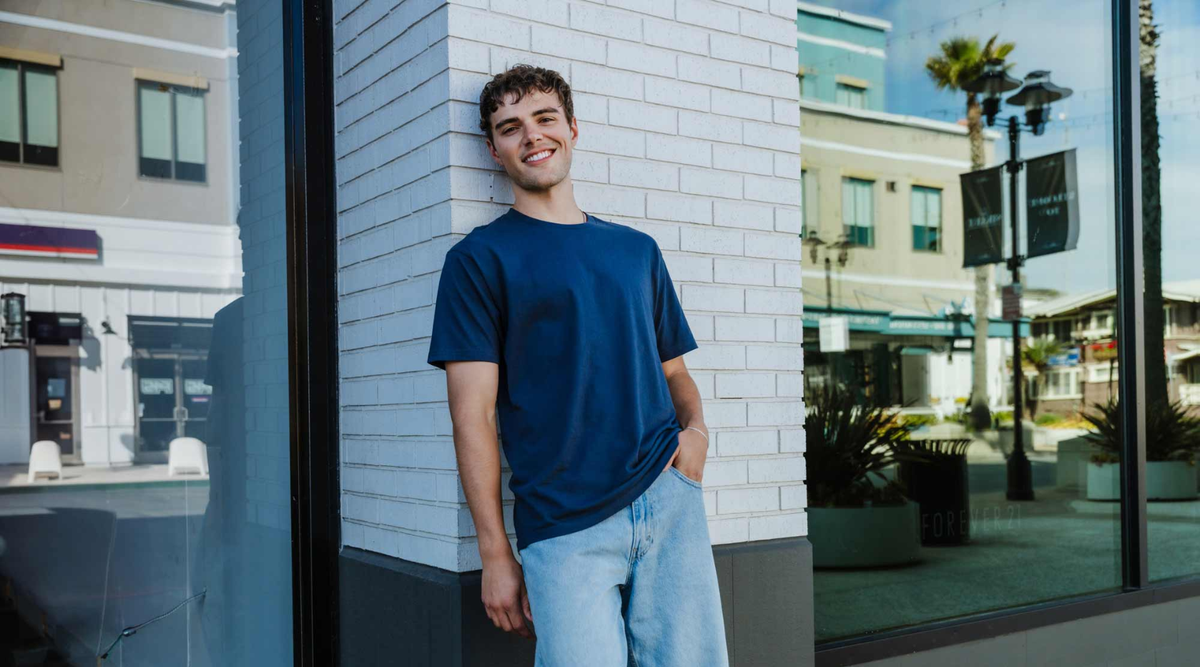
For men's and unisex styles, that means the shirts run true to their labeled size, just with a contemporary, closer fit. When a client is used to a looser tee from another blank supplier, sizing up one solves it. The garment isn't flawed, the cut is just different.
How to Read a Next Level Apparel Size Chart
Every Next Level size chart lists two core numbers: body length and body width (sometimes labeled chest).
Body width is measured flat, side seam to side seam or fold to fold, so double that number to get the actual chest circumference. A size Medium listed at 20 inches wide, for example, works out to roughly a 40-inch chest measurement around the body.
Here's what makes the chart easier to apply when you're quoting a job or planning a run:
-
Pull a sample garment from current stock and measure it flat, then compare that number directly to the chart instead of relying on a client's self-reported size.
-
Check length as well as width. Next Level's contemporary cut can run slightly shorter in the body than a classic tee, which matters if the design includes a hem print or the end wearer plans to tuck the shirt.
-
Pull the specific style's chart rather than a single all-purpose Next Level size chart or a generic unisex t shirt size chart. Cotton, CVC, and tri-blend fabrics are cut on different blocks, so the same labeled size won't measure identically across all three, and a chart mismatch is one of the more common causes of a reprint.
Next Level Apparel Fit Profile by Style
Unisex Cotton (Next Level 3600)
The Next Level 3600 is the brand's signature 100% combed ring-spun cotton crew and the style most buyers picture when they think of a Next Level tee. It carries a slim, retail-fitted cut that runs true to its labeled size for a modern silhouette.
Because it's 100% cotton, expect a small amount of shrinkage after the first wash, generally a few percent in length and width. If a size falls right on the line between two options on the chart, sizing up gives the fabric room to settle.
Unisex CVC (Next Level 6210)
The Next Level 6210 shares the same cut and size range as the 3600, so the fit guidance is identical. What changes is the fabric: a 60% cotton, 40% polyester CVC blend that adds a softer hand, a heathered look in most colors, and less shrinkage than straight cotton because the polyester content stabilizes the fabric.
If a client likes the 3600's fit but wants a shirt that holds its shape wash after wash, recommend the 6210. Same size, different fabric.
Unisex Tri-Blend (Next Level 6010)
Tri-blend styles combine polyester, cotton, and rayon, which produces a noticeably lighter, softer, more drapey fabric than either the straight cotton or CVC options. The cut runs slightly slimmer and the fabric has more stretch and recovery, so a true-to-size order in tri-blend often fits closer to the body than the same size in the 3600.
Tri-blend also runs more heat-sensitive during decoration, so if you print or press these yourself, keep temperatures on the lower end of the recommended range to protect the fit and the fabric.
Women's Styles (1510, 3900, 6710)
Women's fit falls into two different categories on Next Level's chart, and mixing them up is the most common ordering mistake on group and corporate orders.
Unisex styles worn by women are cut on men's proportions: longer in the body and narrower through the hip than a women's-specific cut. When you're sizing a unisex style for a female end wearer who wants a standard, non-oversized fit, recommend sizing down one from her usual women's size.
Ladies' fitted styles, like the 1510, 3900, or the 6710 tri-blend, use an entirely different block, cut to a women's silhouette with a shaped waist. These can run noticeably smaller through the body than a unisex tee in the same labeled size. Depending on how loose or fitted the finished look needs to be, sizing her up one to two sizes from her usual women's size is a safer starting point than matching her unisex size.
Watch the 6710 in particular. It shares a fabric family with the unisex 6010, so it reads like a tri-blend substitute on a purchase order, but it's cut on the women's block. Quoting it against unisex tri-blend quantities is an easy way to end up with a run that doesn't fit the program.
Youth Styles and Sizing
Youth styles are scaled proportionally from the adult block rather than built on a separate fit model, so they run true to size for the labeled age or size range. The same rule applies: check body width and length against the specific youth style's chart rather than assuming it matches the adult version at a smaller scale.
What Fit Differences Mean for Decoration
Fit isn't only a comfort question when the shirt is going under a print or an embroidery machine. A slimmer, more contoured cut changes where a design sits on the body and how much flat print area is available compared to a boxier blank. Keep these in mind when you're building a quote or a production plan:
-
Tri-blend fabric runs more heat-sensitive than straight cotton or CVC. Keep press and cure temperatures on the lower end of the recommended range so the print holds and the garment doesn't lose its shape or shrink unevenly.
-
A closer-fitting cut leaves less room for error on placement. Confirm print dimensions against a sample garment in the actual size range being ordered, not just the size used for the original mockup.
-
Ladies' fitted and unisex styles are cut on different blocks, so a design proofed on a unisex sample won't necessarily sit the same way on a 1510, 3900, or 6710. Proof separately when an order mixes both.
Is the Next Level Tri-Blend Fitted or Relaxed?
Fitted. The poly-cotton-rayon blend drapes closer to the body and has more give than the 3600 or 6210, so it sits slimmer and more contoured at the same labeled size. If an end wearer or client wants a roomier feel, recommend the tri-blend one size up from what they'd order in the standard cotton crew.
Next Level CVC vs. 100% Cotton: What Is the Fit Difference?
The cut is the same. The Next Level 6210 (CVC) and Next Level 3600 (100% cotton) share identical size charts and the same slim, retail-fitted silhouette, so no sizing adjustment is needed when switching a client between them.
Where they differ is how the fabric behaves over time:
-
Next Level 3600 (100% cotton): softer initially, but shrinks slightly with washing.
-
Next Level 6210 (CVC): holds its dimensions more consistently and adds a heathered texture in most colorways.
Base the recommendation on hand feel and print surface instead of fit.
|
Quoting a job that spans multiple Next Level styles? Pull the full spec sheets and fabric options in the 2026 Next Level Apparel Catalog before you finalize the order, so every size and blend on the purchase order matches what the client actually approved. |
How to Plan a Size Run for a Bulk or Decorated Order
A single-shirt sizing question turns into a bigger risk once it's multiplied across a fifty, two hundred, or two thousand unit run. These five steps keep a bulk or decorated order from turning into a reprint:
- Confirm which fit family the order falls into: unisex, ladies' fitted, or youth. Each uses a different block, so a size that works in one doesn't carry over to another. Mixed orders need separate sizing passes.
- Pull one sample garment in the most common requested size before committing to full quantities, especially for a client or program that hasn't used Next Level before. Measure it flat against the specific style's size chart.
- Collect actual chest measurements from a subset of the group when possible, rather than relying on self-reported shirt sizes, which vary by brand and by person. This matters most for team, school, and corporate programs ordering across a wide size range.
- Account for fabric. Straight cotton shrinks a little after the first wash, CVC and tri-blend hold their shape better. Factor that in when a measurement lands on the line between two sizes.
- Build in a small buffer of one size up and one size down per bulk size ordered, so a last-minute swap doesn't delay the full order or force a rushed reorder.
What to Tell a Client Who Asks If It Runs Small
This question comes up on nearly every quote. A short, accurate answer holds up better than reassurance alone: Next Level runs true to its labeled size for a slimmer, more fitted cut than boxier blank brands.
If the client or their end wearers are used to a roomier tee, recommend sizing up one. For a women's program, clarify up front whether the order is unisex or ladies' fitted, since that changes the sizing recommendation entirely. Pointing to the side-by-side fit table below is often the fastest way to settle the question in a client meeting or an email thread.
Side-by-Side Fit Notes
| Style | Fabric | Fit | Sizing Note |
| Next Level 3600 | 100% combed ring-spun cotton | Slim, retail-fitted, true to size | Shrinks slightly; size up if between sizes |
| Next Level 6210 | 60% cotton / 40% polyester (CVC) | Same cut as the 3600 | Holds shape better than straight cotton; true to size |
| Next Level 6010 | Poly-cotton-rayon tri-blend | Fitted, more drape and stretch | Runs closer to the body; size up for a looser feel |
| Next Level 1510 / 3900 / 6710 (Ladies' Fitted) | Cotton, CVC, or tri-blend, women's block | Shaped, fitted through the body | Can run smaller than unisex; consider sizing up one to two sizes. The 6710 is the women's tri-blend, not a unisex substitute |
| Unisex styles worn by women | Varies by style | Cut on men's proportions | Size down one from her usual women's size for a standard fit |
| Youth styles | Varies by style | Proportional to the adult block | True to size for the labeled age or size range |
Next Level Apparel Sizing FAQs
Do Next Level shirts run small?
True to its labeled size, with a narrower cut through the chest and body than a Gildan-style block. Size up one for any wearer expecting a roomier tee.
Is the tri-blend fitted or relaxed?
Fitted. The 6010 sits closer to the body than the 3600 or 6210 at the same labeled size. Order one size up when the client wants a relaxed look, and note that the 6710 is the women's tri-blend rather than a unisex option.
What is the difference in fit between CVC and 100% cotton?
None. The 6210 and 3600 use the same block and the same chart, so a client can move between them without changing the size run. Only fabric behavior changes.
How do I plan a size run for a bulk order?
Confirm the fit family first, since unisex, ladies' fitted, and youth sit on different blocks. Order a sample in the most common size, measure it flat, then add a one-up and one-down buffer per bulk size.
Before Your Next Bulk Order
Getting a size run right the first time protects the margin on the job and the relationship with the client. Before the next order goes to production, pull the exact size chart and spec sheet for the style in the 2026 Next Level Apparel Catalog, or use the Distributor Locator to confirm which supplier near you carries the size run and fabric blend the job needs.
Leave a comment
All comments are moderated before being published.
This site is protected by hCaptcha and the hCaptcha Privacy Policy and Terms of Service apply.